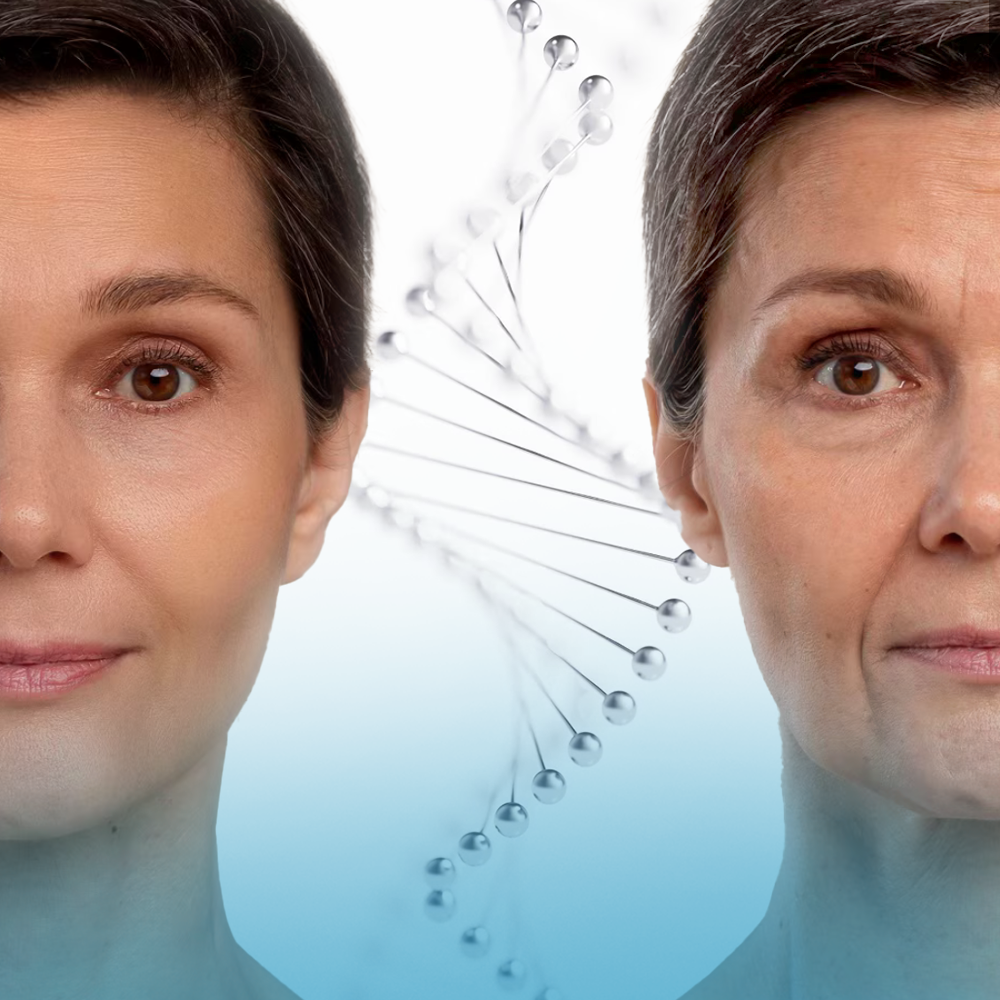
Assessment of biological (epigenetic) age by analyzing 280,000 methylation sites in the genome
7560 CZK
At-home finger-prick blood test
In stock
Epigenetic “clocks” estimate biological age based on DNA methylation – small chemical marks (methyl groups) on DNA that change in a predictable way with age. Unlike a genetic test (which is essentially unchanging), epigenetics partly reflects lifestyle, environment, and overall physiological condition.
In practice, methylation is measured using microarrays (BeadChip) and evaluated with validated algorithms (“epigenetic clocks”). Chip scanning is performed on the Illumina iScan, which is designed for array workflows including epigenetic applications.
Who the test is suitable for
- if you want to know your biological age and track its development over time,
- when making lifestyle changes (exercise, weight, sleep, stress, alcohol/smoking) and you want a measurable biomarker,
- as part of preventive programs and long-term “health management,”
- for those who want a clear and easy-to-understand report without the need for blood collection at a medical facility (at-home self-collection).
What you will receive in the results
- an estimate of biological age (epigenetic age) and comparison with chronological age,
- “Age acceleration” – the difference between biological and chronological age (whether you are aging faster or slower than average),
- guidance on how to interpret the result and what makes sense to monitor in repeated testing.
(The recommended interval for retesting is typically 3–6 months, to allow lifestyle changes enough time to be reflected.)
How it works (at-home self-collection)
- Order the kit and perform a simple finger-prick blood collection according to the instructions.
- Register the sample in the portal and send it back in the provided packaging.
- In the laboratory, DNA is isolated, prepared for methylation analysis, and measured using methylation microarrays (e.g., Illumina EPIC), which cover hundreds of thousands of methylation sites across the genome. The standard processing time is up to 20 working days from delivery of the sample to the laboratory.
- The chips are scanned on the Illumina iScan and the data undergo bioinformatic analysis and quality control.
- You will receive a clear results report (PDF) in a secure portal.
Important information and limitations
- The result is a biomarker and does not replace clinical diagnostics or medical examination.
- A “negative” or lower biological age does not mean you cannot develop disease – and vice versa.
- Epigenetic clocks differ depending on the algorithm and sample type used; therefore, it is advisable to repeat testing using ideally the same method.